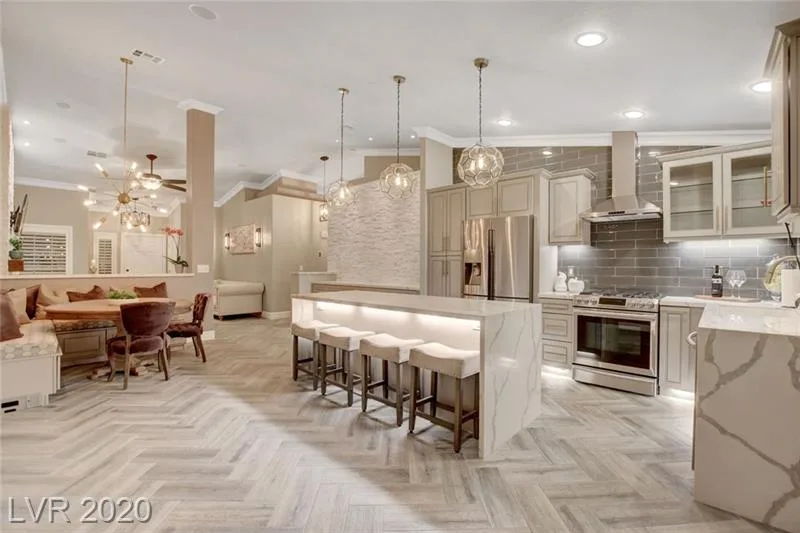
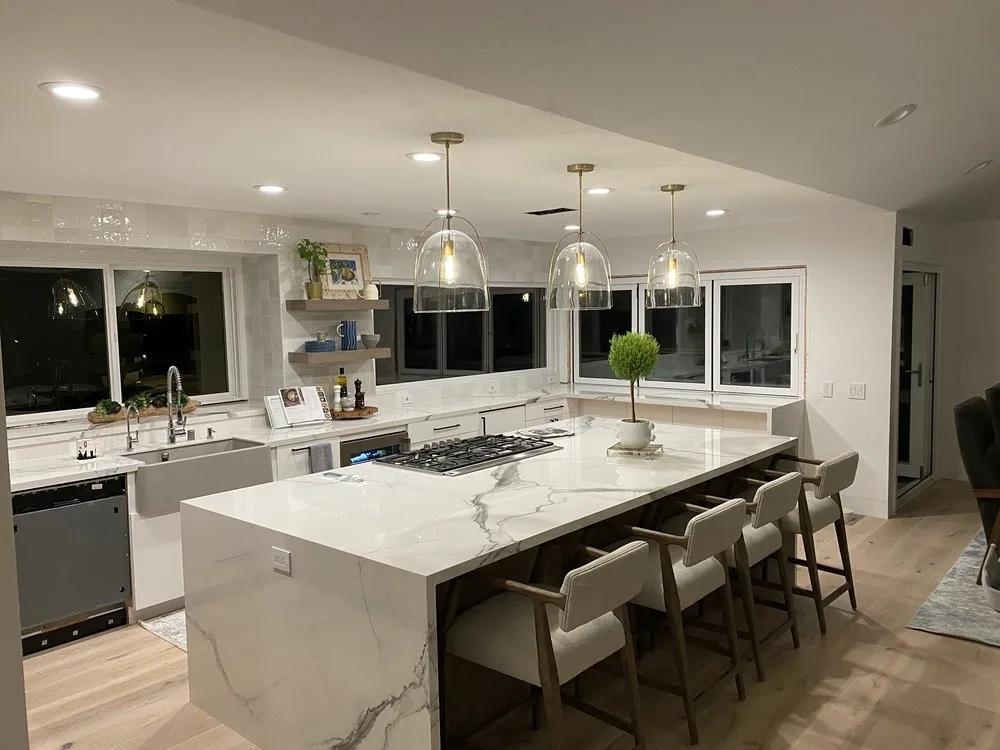
Cabinet planning for a kitchen remodel is where the project’s success starts. Beyond selecting finishes, you’re designing a layout that fits the room, supports how you move and work in the kitchen, and keeps the rest of the remodel coordinated—from cabinet placement to countertop work.
For Worcester homeowners, strong cabinet planning helps turn early ideas into a design that matches the space you actually have. It also helps the remodel progress smoothly as cabinet decisions connect to later steps.
Start with measurements that protect your final fit
Before you finalize cabinetry options, confirm the areas where cabinets will be installed. Begin by verifying the widths available for each cabinet run and note anything that can affect the fit, such as irregular wall conditions, openings, or clearance needs. When measurements are taken to match the layout you’re aiming for, you reduce the chance of last-minute changes that can slow a remodel.
In real kitchens, multiple factors interact with cabinetry placement—walkways, door swings, and wall conditions all influence where cabinets can sit comfortably. Handling those considerations early keeps the rest of the planning grounded in what the kitchen can truly accommodate.
Use a visual record to align expectations
A practical way to keep planning on track is to compile a visual proof set. This means collecting photos of your current kitchen, along with images of the specific areas you want to update. When everyone can reference the same visuals, it becomes easier to discuss proportions and layout details.
Visual documentation also helps when you’re comparing cabinet options. Instead of relying on general impressions or memory, you can point back to what’s in the room today and what you want it to become after the remodel.
Choose cabinet functions based on how you cook and move
Cabinet planning works best when cabinet functions are determined before you lock into finishes. Think about how you use the kitchen day to day and how you prefer to access the items you rely on most—dishes, cookware, pantry staples, and small appliances.
Match storage placement to your everyday workflow
Consider which items you reach for most often and where it makes sense for them to live. Planning storage locations early supports a workflow that feels natural, so routine tasks like cooking, organizing, and cleanup don’t require awkward reach or unnecessary steps.
Coordinate the cabinet plan with countertop decisions
Cabinetry decisions connect directly to the rest of the remodel, especially countertops. When you plan cabinetry with countertop lines, edges, and transitions in mind, the finished appearance stays clean and intentional.
Because countertop work often comes after cabinetry is installed, planning early can also support smoother scheduling. If cabinet layout decisions are made with countertop alignment in view, you’re less likely to encounter rework caused by changes that affect countertop measurements.
Plan timing so each phase supports the next
As the remodel progresses, cabinet planning continues to influence later work. If countertop installation is scheduled after the cabinet layout is finalized, confirming that sequence early helps prevent delays tied to updates or corrections.
Cabinet planning for Worcester near 240 Barber Ave #1
If you’re planning a kitchen remodel in Worcester, you can explore cabinetry planning options with the team at Bella Kitchen Cabinetry. Residents near 240 Barber Ave #1, Worcester, MA 01606, United States can reach the service team directly by phone at +1 774-414-9923.
You can also use the official online booking page to schedule: https://toulonparkhotel.wixsite.com/bella-new-site/book-online?utm_source=google&utm_medium=book_button&utm_campaign=service_list&rwg_token=AFd1xnHXPNQ7d1nRmhc3ko1fwfX-ZTlmiboViND6oSHS5nRPkhfXrcK5uLfTRwKV8ID1wYfuHIauI1dwDCRWJhSChNjmMbd2zg%3D%3D.
When you map your measurements, storage needs, and countertop alignment together, cabinet planning becomes the roadmap for a kitchen that looks right and works the way you live.

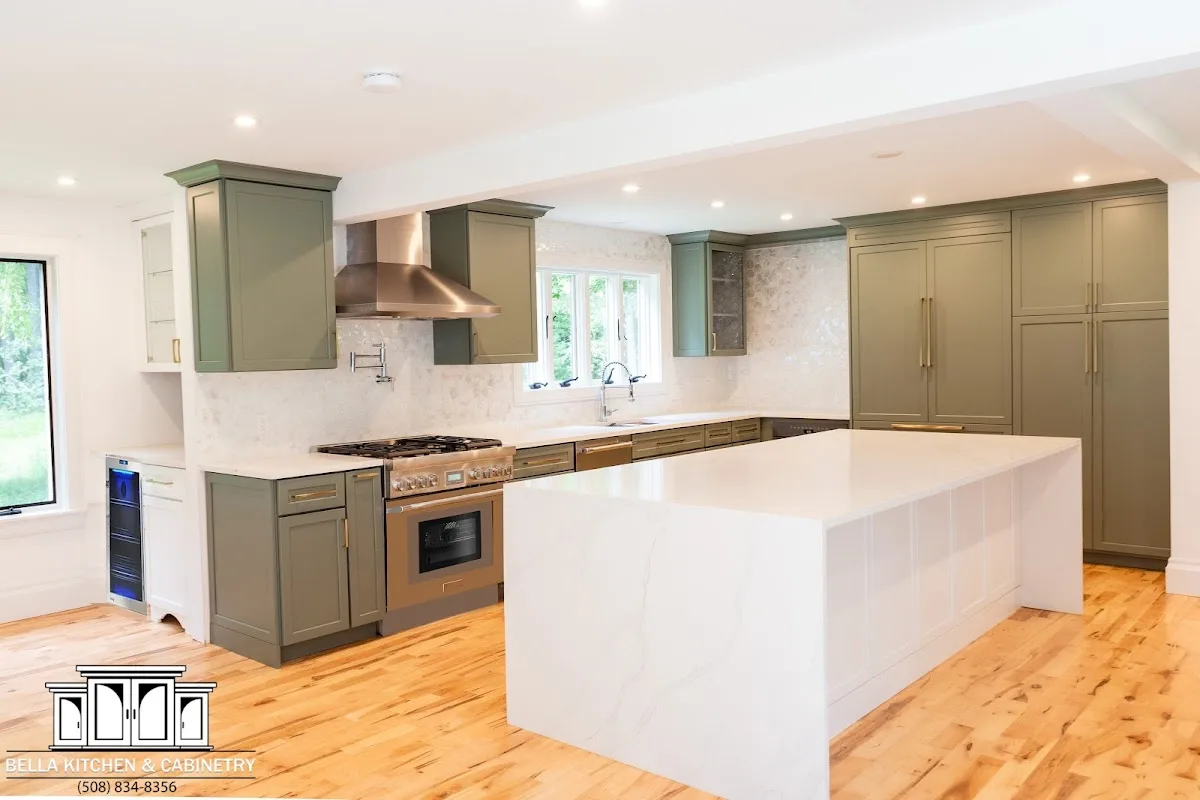 Plate · 434