A tub-to-shower conversion can be a focused change to a bathroom, but the label alone does not explain what will be removed, which products will go in, or how the finished space will work. Jacuzzi Bath Remodel of North Carolina describes its work as wet-area remodeling and lists tub-to-shower conversions among its services. For Raleigh homeowners considering that specific project, the most useful next step is to compare the stated product and process details with the needs of the room, then get the exact scope and terms in writing.
The published service is focused on the bathing area
The company’s website describes replacing an existing bathtub with a shower as one of its remodeling options, alongside shower and bathtub projects. That is a narrower scope than a full bathroom renovation, so a homeowner should establish at the outset which parts of the room are included. Ask whether the proposal covers only the tub-and-surround area or also names adjacent flooring, fixtures, storage, or other requested work. Do not assume those items are part of a conversion simply because the project is described as a bathroom remodel.
The company identifies Raleigh among the North Carolina communities it serves. Its listed address is 2409 Alwin Ct, Raleigh, NC 27604, United States, and the listed phone is +1 984-267-1908. Those details help identify the business when making an inquiry, but homeowners should confirm that their address falls within the service area and ask what information is needed to discuss the home.
Product details are useful only when tied to the proposed installation
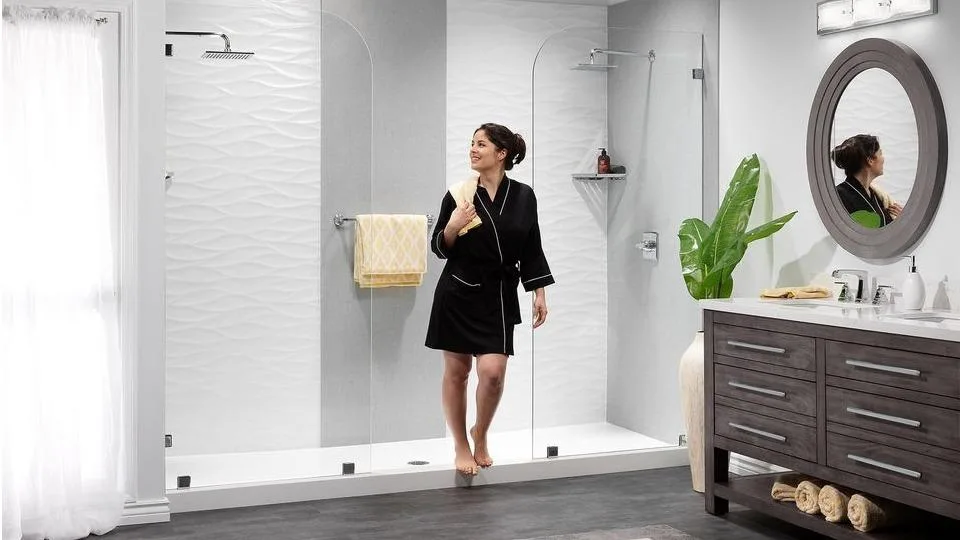
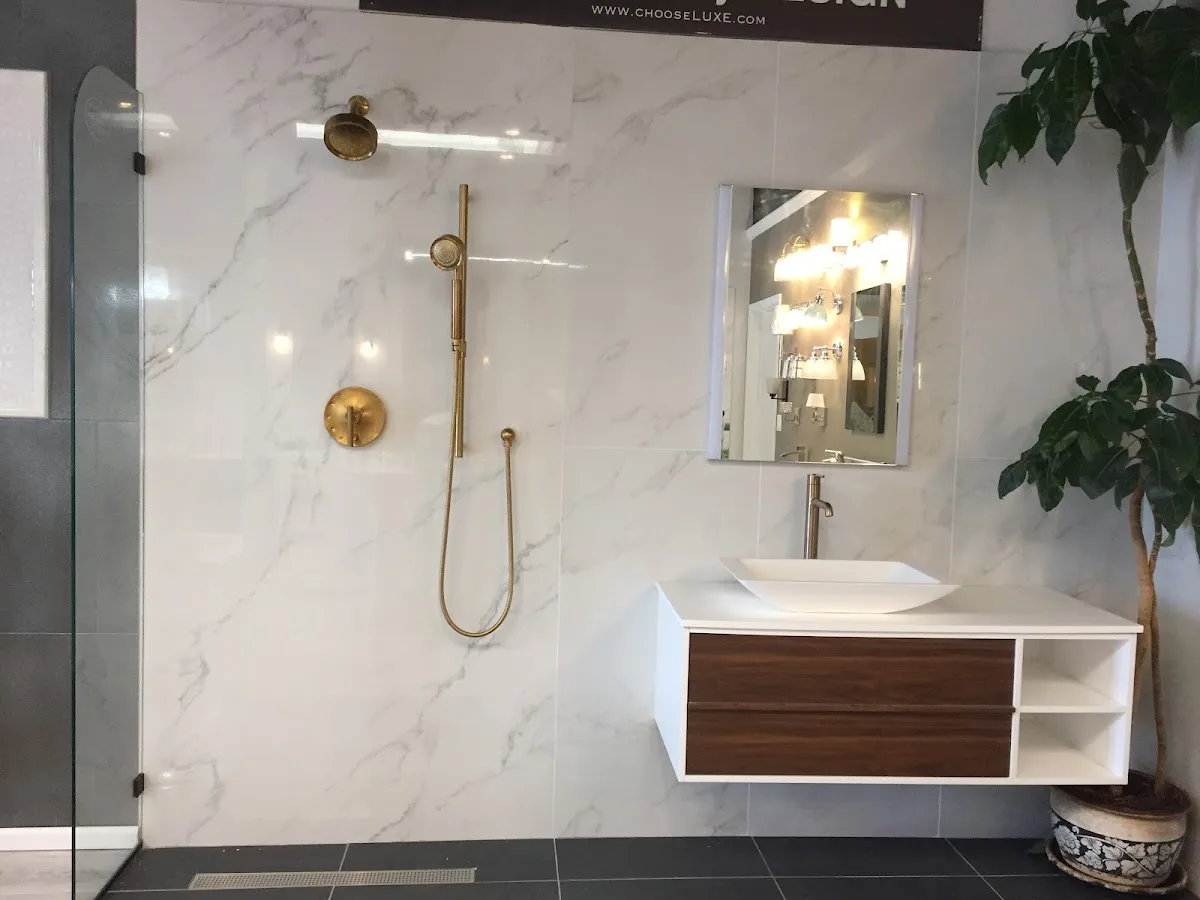
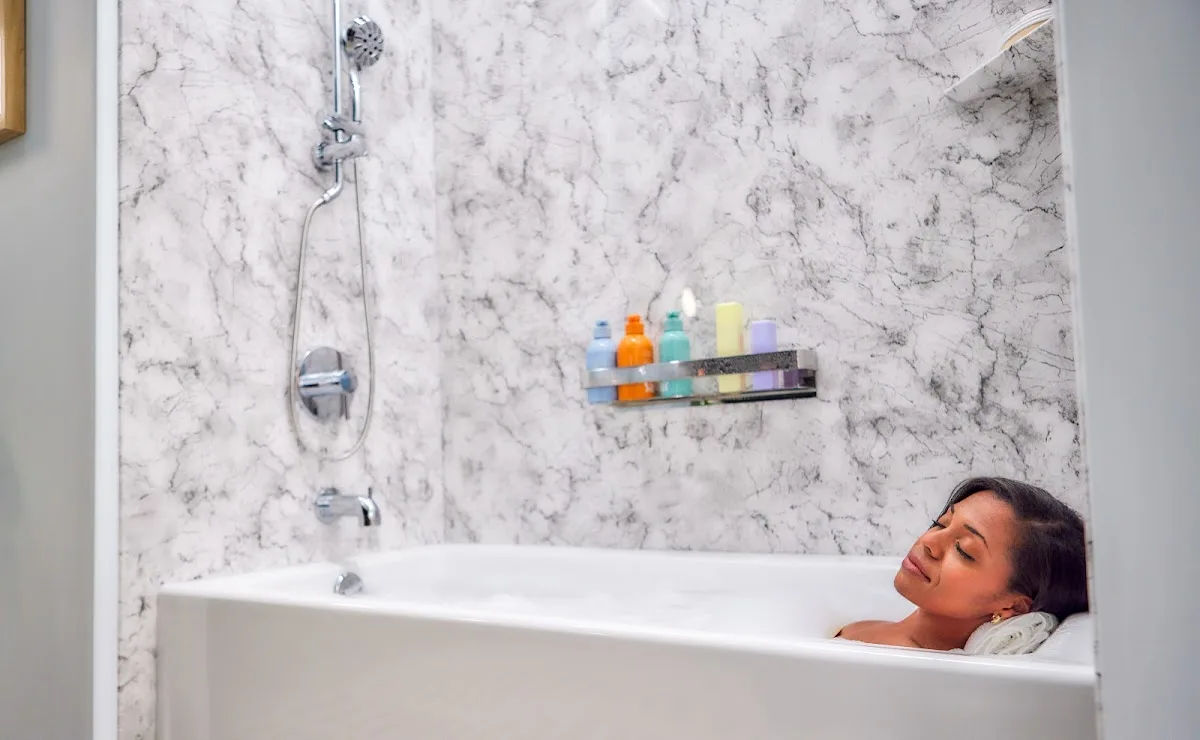
Jacuzzi Bath Remodel of North Carolina identifies Jacuzzi bathtubs, showers, and wall surrounds made with Tri-Tek composite acrylic on its website. It also contrasts its wall systems with traditional tile by noting the absence of grout lines. These are concrete product descriptions to bring into a consultation, not a substitute for a project-specific specification. Ask which wall system and components are included in the estimate, how the selected configuration fits the existing room, and what finish or feature choices are available for the particular conversion.
The website also describes product characteristics such as resistance to cracking, chipping, fading, and staining. Homeowners comparing options can ask what care the selected material requires and which performance statements apply to the exact product being proposed. If low-maintenance cleaning or durability is a priority, request the manufacturer’s care and warranty documents rather than relying on a general description alone.
“As little as one day” is not a schedule for every home
The company advertises bathtub and shower replacements as taking “as little as one day.” That wording presents a possible pace, not a guaranteed duration for a particular project. Before scheduling, ask what work the stated timing covers, when the installation clock begins, and what conditions could change the plan. The estimate or project documents should identify the expected start and completion window for the actual room, along with how the household will be notified if the schedule changes.
It is also useful to clarify what preparation the homeowner should handle and what access installers need. Rather than assuming that a short installation claim accounts for every detail, confirm how removal, protection of nearby surfaces, cleanup, and any follow-up work are addressed. The purpose is not to presume a problem; it is to make the plan understandable before approving it.
Consultation and warranty claims deserve document-level answers
The website describes an in-home consultation in which representatives bring material samples, discuss arrangement ideas, and take measurements. It also says digital design tools are available to preview the remodeled area. Those details give a homeowner a concrete way to prepare: identify the current tub’s limitations, note who will use the shower, and ask to see the proposed configuration and materials. A visualizer can help communicate preferences, but the written proposal should still define the actual products and work.
The company’s site states that its authorized-dealer relationship provides access to Jacuzzi bath systems and describes a limited lifetime warranty covering product and labor. A broad warranty statement does not show every condition. Ask for the current written warranty, including who provides coverage, what product and labor components are included, exclusions, maintenance requirements, and how a claim is initiated. Compare those terms with the documents for the specific products and installation rather than treating a headline summary as the complete agreement.
Use the estimate to resolve fit, exclusions, and next steps
Before choosing a contractor, compare proposals against the same practical points: named products, removal and installation scope, included accessories, exclusions, schedule, cleanup, payment milestones, and warranty documents. Ask who will answer questions if the planned work changes, and make sure any agreed adjustment appears in writing. These checks are especially useful when comparing a specialized wet-area conversion with broader renovation proposals, since the scopes may not cover the same parts of the bathroom.
Jacuzzi Bath Remodel of North Carolina’s official website is ncarolinabaths.com, and its published information identifies a Raleigh service presence, tub-to-shower conversions, specified bath materials, and a consultation process. Those facts can help determine whether it is worth discussing a project. The decision should turn on the written proposal for the particular home: what will be installed, what remains outside the scope, when the work is expected, and which warranty terms apply.

 Plate · DE3