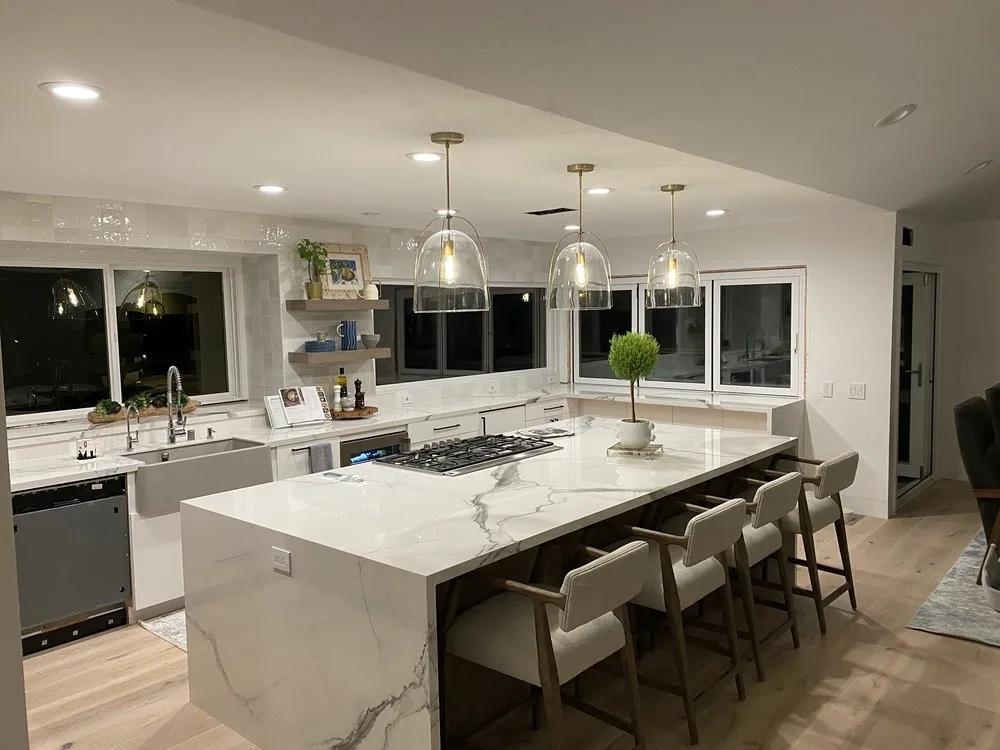
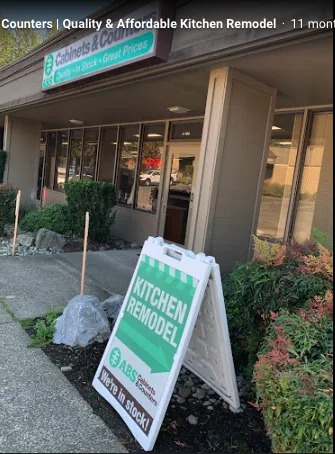
Choosing a kitchen remodeler is often less about how impressive the photos look and more about how clearly the proposal describes what will actually happen on your job site. For homeowners comparing options around Brentwood and St. Louis, Karr Bick Kitchen and Bath is one name that comes up often, and you can use its public information—like 2715 Mercantile Dr, Brentwood, MO 63144, its +1 314-645-6545 line, and its official site at https://karrbick.com/—to start validating fit before you invest time in a design consult.
What a “design-build” proposal should explain (and what to flag)
When a company positions its work as a full design-to-install process, the key question becomes: does the proposal connect design decisions to construction responsibilities? In practice, you want written clarity on how conceptual design, product selection, construction documents, and installation are handled as a single workflow. If the proposal lists totals but doesn’t describe who does what after selections are made, ask for the missing steps—especially the handoffs between design, ordering, and on-site work.
At minimum, look for clear language about what’s included as part of the base scope and what may be treated as an allowance. If you see ambiguous line items (“as selected,” “allowance TBD,” or “by others”) you’ll want definitions in writing so budgeting and timing don’t shift later.
Scope vs. allowances: the budget-protection test
Kitchen remodel proposals typically mix fixed prices and allowance-based items. The proposal is easiest to compare when allowances are paired with rules: what selection constraints apply, who orders materials, and how changes get approved. Ask how the proposal handles common cost drivers such as cabinets, countertops, and tile work—then request a short explanation of how those choices become locked in.
For example, if a proposal quotes an allowance for countertop material, ask whether upgrades are priced as an add-on, whether removal and disposal are included, and how the final invoice is reconciled when your selections land above or below the allowance amount. This is where many projects drift, so don’t rely on assumptions.
Change orders: what triggers them and how approvals work
A good proposal doesn’t just promise a result; it documents how revisions are handled. Before signing, request the change order process in plain language: what counts as a change (design revisions, field conditions, product substitutions), who prepares the paperwork, and how approvals are recorded. If the proposal is silent on this point, you’re not just missing a detail—you’re missing a risk-management mechanism.
Job-site readiness and logistics questions that matter
Even a well-written proposal can struggle if job-site logistics are unclear. Ask how the remodeler plans for demolition sequencing, dust control expectations, and workspace protection while trade work is underway. Then confirm practical items that affect access: parking for crew or delivery vehicles, scheduling constraints, and how long the kitchen is likely to be partially unusable during peak construction.
If you plan to visit the showroom or coordinate selections in advance, use the company’s public contact details as your starting point—its contact page lists a showroom at 2715 Mercantile Drive and hours of Monday–Friday 9:00 am–5:00 pm (with Saturday available by appointment). Confirm current appointment availability directly when you’re booking your consult.
Next-step questions homeowners should ask before choosing
To make a smart decision, homeowners can bring the following questions to the proposal review meeting:
1) What is included in the base scope—and what is explicitly excluded?
2) Which parts are allowances, and what are the written rules for selections and cost differences?
3) How does the project timeline depend on ordering and approvals?
4) What is the change order workflow—and what documentation do you provide?
5) Who is your main point of contact from design through installation?
When you get clear answers, you can compare providers using the same criteria rather than comparing marketing language. And if anything feels vague—especially around allowances, scope boundaries, or change orders—treat that as a prompt to ask for written definitions before you commit.

 Plate · A08