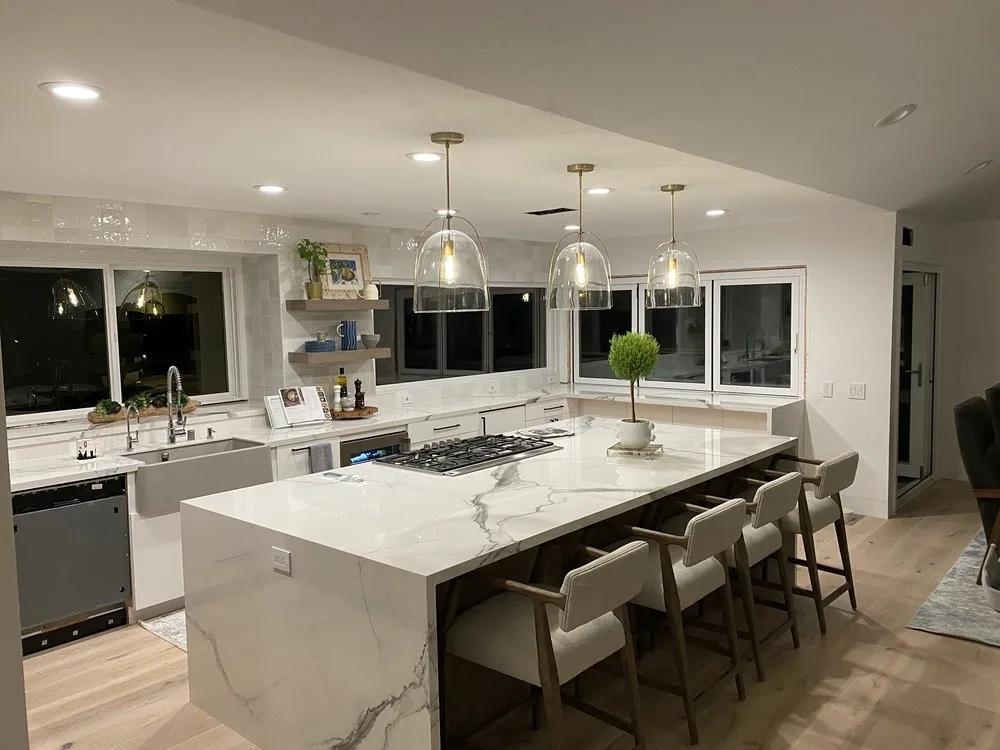
Choosing a kitchen remodeler is rarely about finding one “best” design. It’s about finding a team whose process is clear enough that you can compare proposals line-by-line. If you’re considering Neptune Kitchen and Bath in Norfolk, you’ll want to verify how their planning-to-install approach maps to your specific kitchen and what happens when choices or conditions change mid-project.
For reference, Neptune Kitchen and Bath lists a phone number at +1 757-681-0845 and an official website at http://www.neptunekitchenandbath.com/. They also describe a full-service remodel workflow that runs from planning through installation details.
Start with a scope that separates design decisions from installed work
When homeowners say “kitchen remodel,” the proposals can blur two different things: (1) design selections (cabinet style, countertops, tile, fixtures) and (2) the installed work those selections require. Neptune Kitchen and Bath’s public messaging emphasizes a “full service from planning to the last dab of caulk” approach, so your job is to translate that into a written scope you can actually compare.
Ask them to spell out what is included in the labor portion for the kitchen you want to build: measurement responsibilities, demolition steps, underlayment/substrate work, tile setting, countertop templating, and finish installation. The goal is to avoid a situation where a lower number simply omits “how it gets installed.”
Confirm who owns measurements—and when ordering becomes “final”
One of the most common drivers of delay is unclear measurement ownership. Before cabinets or countertops are ordered, clarify the workflow: who measures (you, their designer, or the installer), when the measurement is taken, and how that measurement is used to place orders.
Neptune Kitchen and Bath’s site content highlights that they maintain full shop capabilities, which can matter for lead times and coordination. Even so, you still need to know when their schedule assumes measurements are complete and when any changes stop affecting the order window. Request a timeline with milestones (measure → order → demolition → install → punch list) tied to your selections.
Use cabinet material details to reduce surprises later
Cabinet construction is a frequent “hidden cost” topic because it affects tolerances, door alignment, and what fillers or adjustments will be required on install day. Neptune Kitchen and Bath states they “don’t use any particle board in our cabinets unless requested,” and they also mention features like a showroom and product samples.
In practice, bring the cabinet specs into your review: confirm the materials used for cabinet boxes and how the final design handles common constraints like uneven walls, soffits, or unusual corner profiles. If you’re selecting a finish or accessory that depends on exact tolerances, ask how those requirements are handled before anything is ordered.
Permits and jobsite readiness: ask how issues get handled
Kitchen remodels often trigger permits, inspections, or code-related documentation, especially when walls move, plumbing relocates, or electrical work changes circuits. Neptune Kitchen and Bath says they are properly licensed to pull permits if needed. That’s a good signal, but you should still ask for the details that affect your schedule.
Ask whether permits are pulled in advance or during the project, how inspections are timed around demolition and rough-in, and how they document milestones so you can verify progress. Also ask about jobsite prep: dust control, access for trades, cleanup frequency, and when they complete punch-list items. These “process” items are where many remodel timelines either stay predictable—or slip.
Before signing, lock change-order rules and payment milestones
Even well-run remodels require change orders sometimes. What matters is how they are managed. Request the change-order policy in writing: when a change must be submitted, who approves it, how the revised labor and materials are priced, and the expected impact on schedule. Pair that with payment milestones that match real work progress—design approval, material procurement, completion of rough work, countertop installation, and final walkthrough.
If you’re reaching out, start by calling +1 757-681-0845 and asking for a project-specific scope template and timeline. Then compare proposals using the same categories: measurement and ordering steps, permit/inspection handling, cabinet specs, tile and waterproofing sequence, countertop templating, and punch-list timing. That comparison method will help you avoid surprises that don’t show up in photos.
Neptune Kitchen and Bath presents a full-service model, but the smartest next step is to confirm how their process is written into your proposal. When scope, measurements, permits, and change-order rules are clear upfront, you’re not just buying a finish—you’re buying a plan you can trust.

 Plate · B1B